Calendar 95, the latest iteration of intelligent scheduling software, is reshaping how researchers manage time‑bound data, collaborative deadlines, and longitudinal studies. By integrating AI‑driven conflict resolution, cross‑platform sync, and granular metadata tagging, it promises a more disciplined yet flexible approach to digital organization—especially as research projects span multiple years and involve diverse stakeholder groups.
What distinguishes Calendar 95 from conventional digital calendars?
Traditional calendar apps excel at recording appointments but often fall short when researchers need to attach experiment protocols, data‑set versions, or grant milestones to a single time slot. Calendar 95 adds three core capabilities:
- Metadata layers: Each entry can hold custom fields (e.g., sample ID, instrument calibration status, funding code) that are searchable across the platform.
- AI conflict mediation: When two team members propose overlapping resource bookings, the system proposes optimal alternatives based on historical usage patterns.
- Versioned export: Schedules can be exported as immutable PDFs that embed a checksum, ensuring auditability for compliance reviews.
These functions turn a simple date‑keeper into a living research ledger.
Which research scenarios benefit most from Calendar 95?
Longitudinal field studies
Field teams often coordinate seasonal data collection across remote sites. Calendar 95 lets a principal investigator assign a “Seasonal Sampling” tag to each field trip, automatically generating a summary that aligns with IRB reporting windows.
Multi‑institution grant management
When a grant spans several universities, each sub‑award can be mapped to its own calendar lane. Calendar 95’s cross‑institution sync alerts both the sponsor and the sub‑recipients if a deliverable deadline shifts, reducing the risk of non‑compliance.
Laboratory instrument scheduling
High‑throughput cores, such as sequencers or electron microscopes, suffer from double‑booking. Calendar 95’s AI engine evaluates instrument maintenance logs and proposes slots that minimize downtime, while still respecting researcher priorities.
How should a researcher evaluate Calendar 95 against other tools?
- Data interoperability: Verify whether the platform supports export to CSV, JSON, or directly to lab‑information‑management systems (LIMS). Seamless hand‑off prevents manual re‑entry errors.
- Security compliance: Confirm encryption at rest and in transit, plus role‑based access controls that satisfy FERPA, HIPAA, or GDPR as required by your institution.
- Scalability of metadata: Test how many custom fields can be attached to a single event before performance degrades. Research projects with thousands of samples need robust indexing.
- User adoption curve: Assess training resources and API documentation. A steep learning curve can delay grant start dates.
- Cost structure: Compare subscription tiers, especially those that include AI conflict mediation. Some institutions qualify for academic discounts that make the premium tier affordable.
What are the practical steps to integrate Calendar 95 into an existing workflow?
Begin with a pilot: import a single grant’s timeline, attach metadata to each milestone, and run the AI conflict simulation for a month. Capture metrics such as reduced double‑booking incidents and time saved on manual reporting. If the pilot shows a measurable efficiency gain, expand the rollout to additional labs, leveraging the platform’s role‑based permissions to delegate calendar stewardship.
During the rollout, maintain a parallel “paper‑trail” export of critical schedules. Calendar 95’s versioned PDF export ensures that auditors can verify the exact state of a schedule at any historical point, satisfying compliance audits without reverting to legacy spreadsheets.
What does the future hold for digital organization in research?
Beyond Calendar 95, the next wave will likely blend scheduling with predictive analytics—forecasting equipment failures, suggesting optimal sampling windows based on climate models, and automatically aligning grant milestones with institutional reporting calendars. As AI models become more domain‑aware, researchers can expect calendars that not only remind them of deadlines but also propose data‑quality checks and suggest collaborative partners in real time.
For now, Calendar 95 offers a concrete, research‑focused step toward that vision, turning routine time‑keeping into a strategic component of scientific productivity.
2025 Calendar Templates And Images
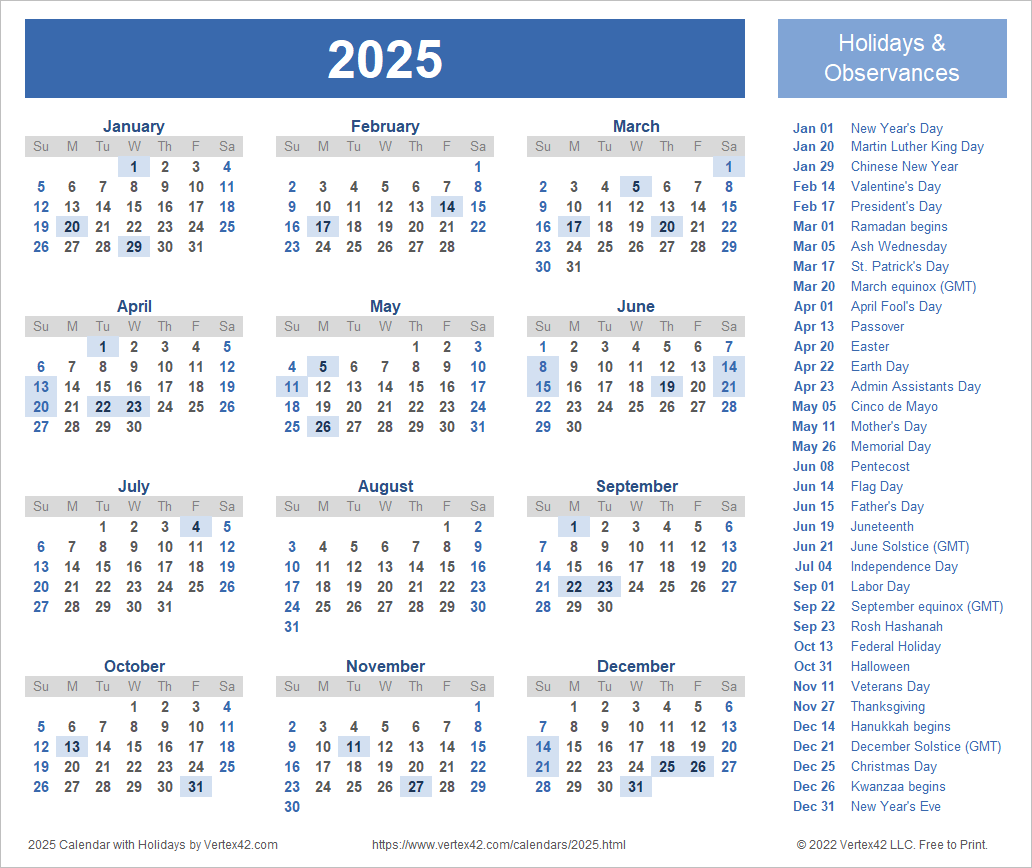
2025 Calendar Templates and Images
2025 Calendar With Holidays - Free Printables In 28 Unique Styles
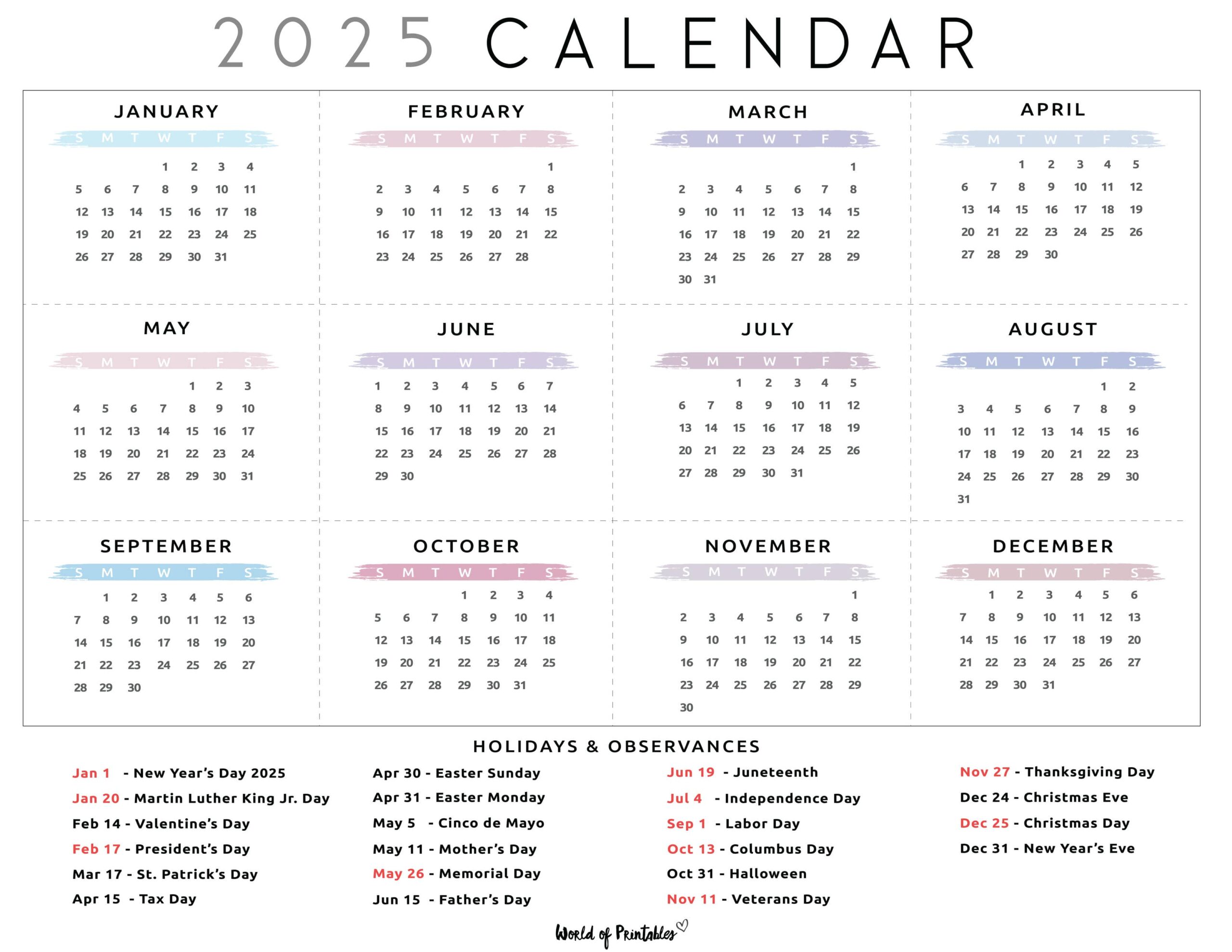
2025 Calendar With Holidays - Free Printables in 28 Unique Styles ...
2018 Calendar PNG Transparent Images | PNG All

2018 Calendar PNG Transparent Images | PNG All