When families gather to honor traditions—whether it’s a Thanksgiving dinner, a wedding ceremony, or a cultural remembrance—the colors they choose can silently signal lineage, values, and shared memories. Today’s busy households look for palettes that are both meaningful and easy to apply, balancing historic symbolism with modern convenience.
Understanding the Symbolic Weight of Traditional Hues
Across cultures, specific shades have long stood for continuity, respect, and belonging. Deep indigo, for instance, often evokes ancestry in Asian families, while muted earth tones—such as terracotta and sage—are staples in Mediterranean celebrations, recalling the land that forged generations. In North American contexts, warm amber or rustic reds appear in holiday décor, linking the present to the pioneering spirit of early settlers.

Side‑by‑Side Comparison: Classic Heritage Palettes vs. Modern Minimalism
Below is a quick visual reference that pits time‑honored palettes against the sleek, monochrome trends popular in contemporary event design. The “Classic Heritage” column features colors traditionally tied to familial rituals—crimson for blood ties, gold for prosperity, and forest green for growth. The “Modern Minimalism” column swaps these for grayscale variants, which can feel neutral but risk erasing the narrative depth that colors normally convey.
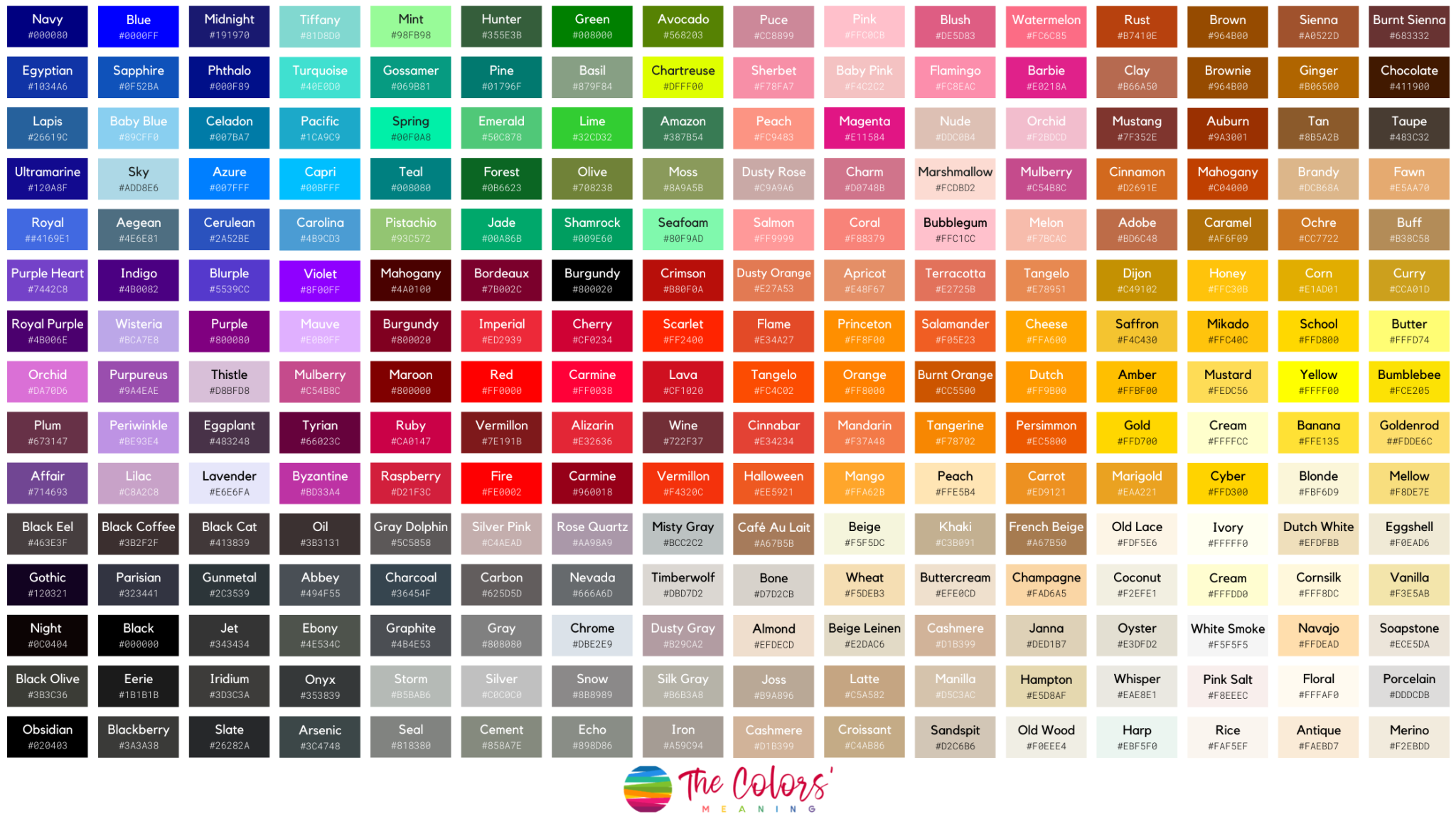
Choosing between these approaches depends on the event’s purpose. A milestone birthday rooted in cultural heritage benefits from the richer, story‑laden hues, while a corporate family‑day might lean toward muted tones to keep the focus on inclusivity rather than specific lineage.
Selection Criteria for Busy Families
- Historical relevance: Verify that the hue aligns with the tradition you’re honoring—e.g., a Hawaiian luau favors hibiscus pink, whereas a Celtic gathering might prioritize deep green.
- Availability: Opt for colors readily found in household items—think of existing linens, tableware, or seasonal produce—to avoid last‑minute sourcing.
- Psychological impact: Warm colors (reds, oranges) boost energy and conversation, ideal for lively reunions; cool tones (blues, purples) calm the atmosphere, suited for reflective ceremonies.
- Adaptability: Choose shades that transition well across mediums—paper invitations, digital screens, and physical décor—so you won’t need separate palettes for each format.
Real‑World Scenarios: Applying Heritage Colors in Everyday Settings
Family reunion picnic: Lay out a blanket in soft sage and pair it with navy napkins. The earth tones echo the family’s farming roots while the indigo adds a touch of formality.
First‑time home‑coming celebration: Incorporate terracotta candle holders and gold ribbon accents. The warm clay recalls the building of family homes, and the gold symbolizes the hopeful future.
Multi‑generational holiday dinner: Alternate plates in crimson and forest green. The red honors the lineage of ancestors, while the green signifies new growth, creating a visual dialogue between past and present.
Practical Steps for Quick Implementation
- Identify the core tradition you’re celebrating and note its cultural color associations.
- Survey your existing décor; select two to three hues that already exist to minimize extra purchases.
- Use a simple color chart (like the one above) to confirm the emotional tone of each shade.
- Apply the chosen colors consistently across invitations, table settings, and digital media.
- Gather feedback after the event—family members often remember color choices more vividly than menu details.
By treating color as a purposeful tool rather than an afterthought, families can reinforce their heritage while keeping preparation lean. Whether you lean toward timeless indigo or opt for a modern neutral palette, the key is to let each shade narrate a piece of your family’s story.
Name Colors These 340 Unique Color Names Make The Best Color
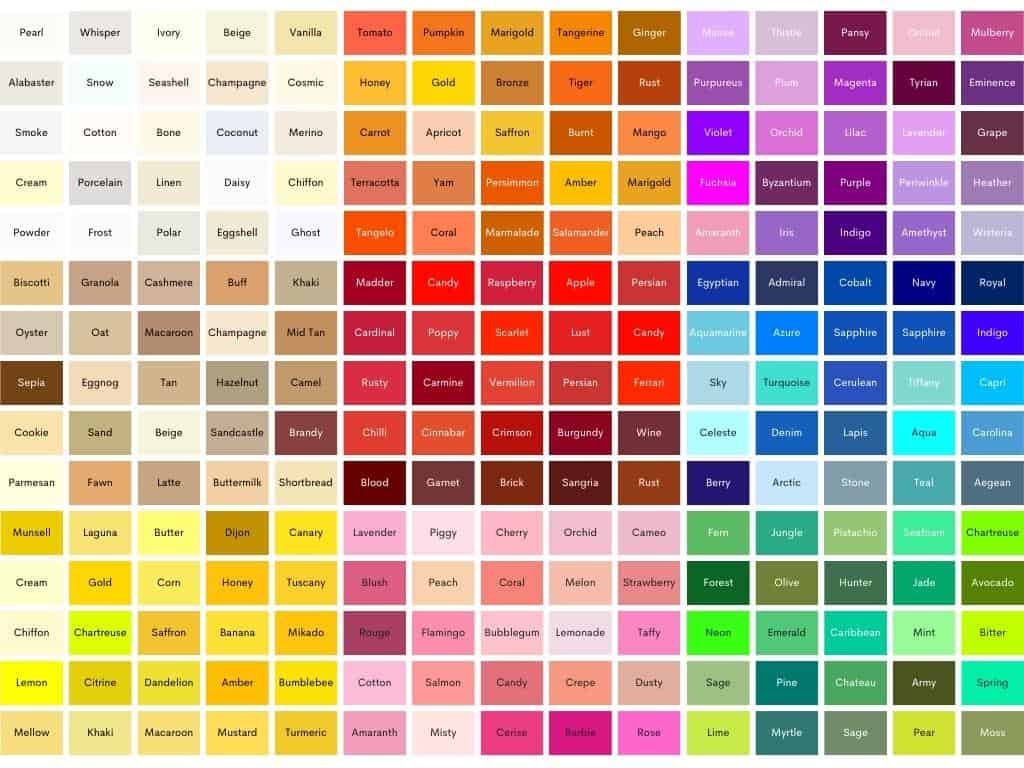
Name Colors These 340 Unique Color Names Make The Best Color
Color Palette Popular Colors Color Chart Patterns And Names Rgb Hex
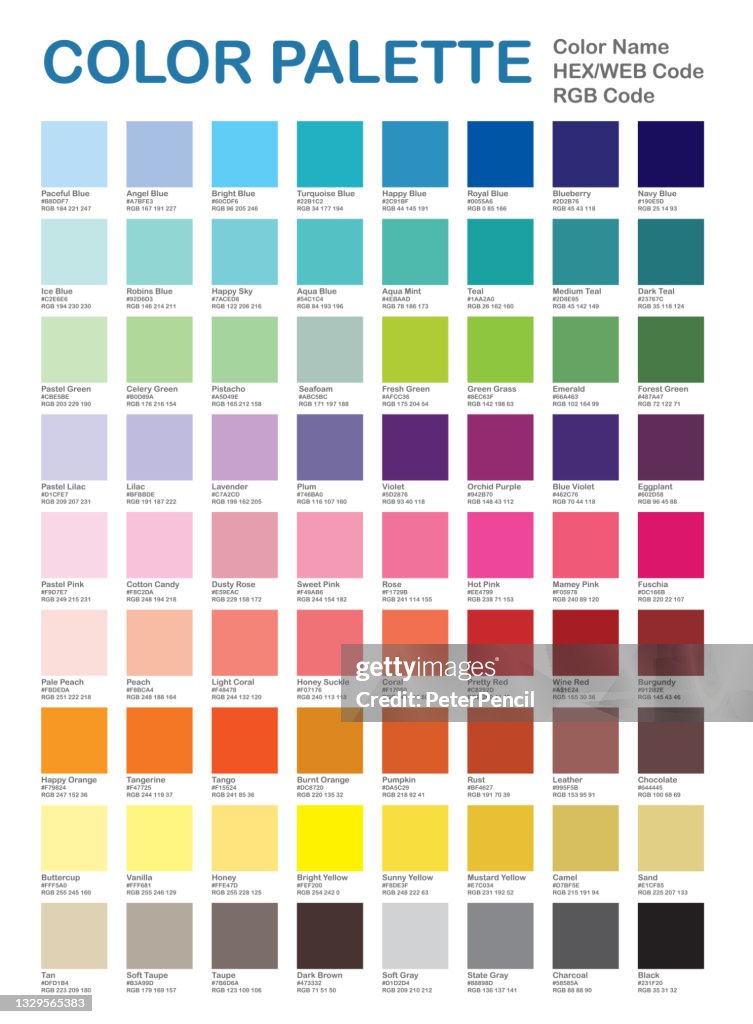
Color Palette Popular Colors Color Chart Patterns And Names Rgb Hex ...
120 Types Of Solid Colors - Colorguide.org

120 Types of Solid Colors - Colorguide.org