Keiser University’s academic calendar is the backbone of every student’s semester plan, and understanding its rhythm can turn a chaotic schedule into a streamlined path to graduation. From the fall kickoff to summer intensives, knowing when classes start, breaks occur, and registration windows open lets you allocate study time, work shifts, and personal commitments without the last‑minute scramble.
Why the Calendar Matters More Than Ever
In an era where online courses, hybrid formats, and accelerated terms proliferate, the calendar isn’t just a list of dates—it’s a strategic tool. Students who sync their coursework with the calendar can avoid overlapping deadlines, secure preferred class sections, and even negotiate part‑time job hours around exam weeks. For trend‑aware learners, the calendar also signals when the university rolls out new tech platforms or pilot programs, offering early‑access opportunities.
Decoding the Core Components
Keiser’s calendar follows a predictable pattern: each academic year splits into two main semesters—Fall (late August to early December) and Spring (mid‑January to early May)—with optional Summer sessions (May to August). Within each semester, three critical checkpoints shape the student experience:
- Registration Period: Opens six weeks before classes begin and closes three weeks prior, giving you a window to lock in courses and financial aid.
- Mid‑Term Breaks: Typically a one‑week pause in October (Fall) and February (Spring) that many use for catch‑up work or internships.
- Final Exam Window: A two‑week stretch at the semester’s end; grades are posted shortly after, influencing summer enrollment decisions.
Understanding these milestones lets you plot coursework, extracurriculars, and personal goals on a single timeline.
Visualizing the Year: A Sample Layout
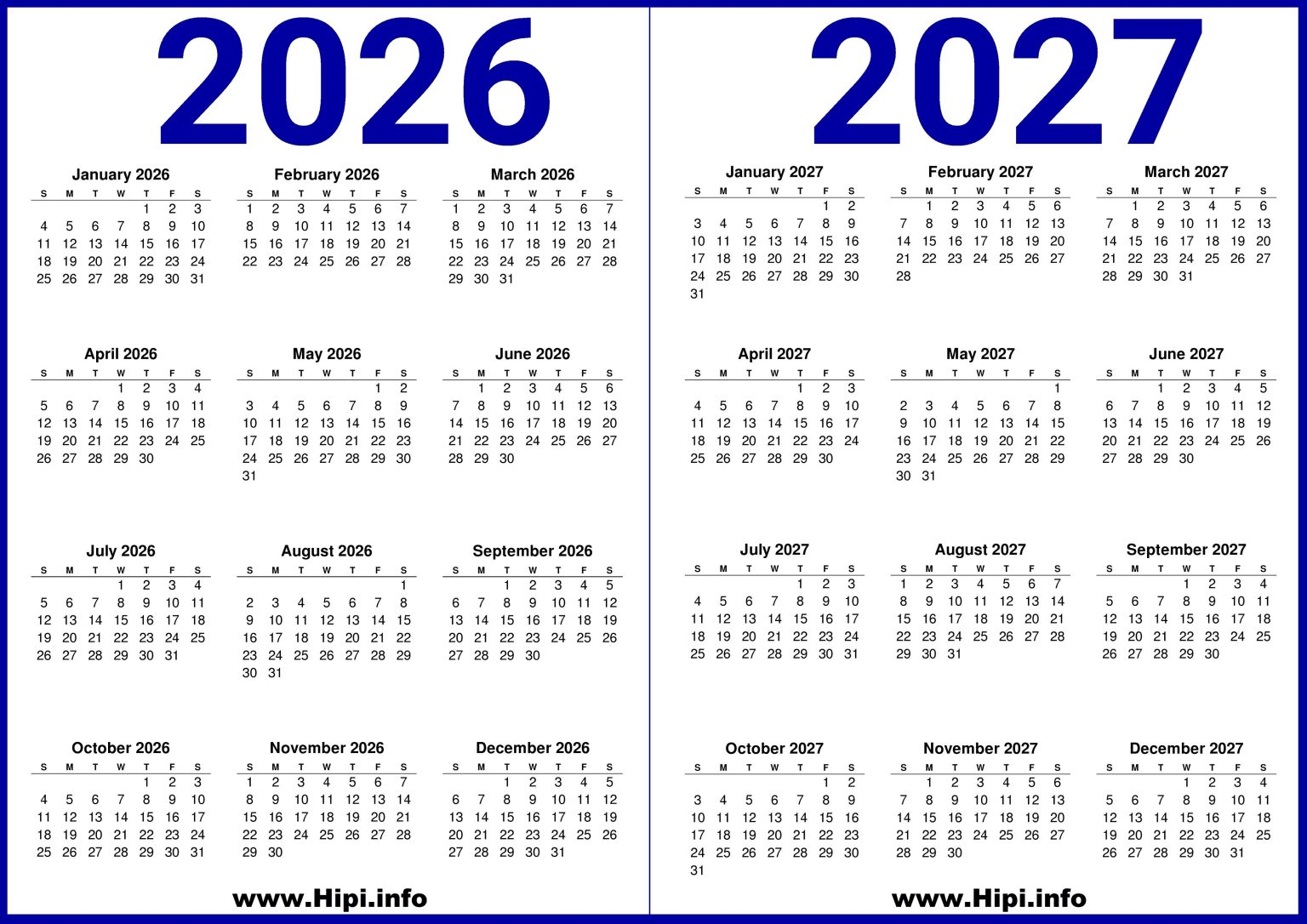
The printable above, while illustrating a 2026‑2027 generic calendar, mirrors Keiser’s structure: semester start dates highlighted in bold, registration periods shaded in teal, and holiday breaks marked in gray. Students can download a similar template from Keiser’s portal, annotate it with personal deadlines, and keep it on their phone for quick reference.
Strategic Moves for Each Phase
Before Classes Start
Mark the registration opening on your phone calendar. Use Keiser’s online “Degree Planner” to map required courses, then cross‑check with professor ratings on sites like RateMyProfessors. If a high‑demand class fills up quickly, have a backup list ready. Also, confirm your financial aid package before the deadline; a missed scholarship disbursement can delay enrollment.
Mid‑Semester Check‑In
When the mid‑term break arrives, pause to evaluate progress. Compare your grades against the syllabus timeline; if you’re lagging, schedule a tutoring session or adjust your study blocks. Many students also use this week to submit any pending internships or volunteer applications, leveraging the free time before the workload spikes again.
Final Sprint
Two weeks before finals, lock down your study environment. The calendar’s “final exam window” should prompt you to block off evenings for review sessions and avoid new commitments. Remember to request any needed accommodations early; the university’s Disability Services office requires at least two weeks’ notice.
What Happens If You Miss a Window?
Missing a registration deadline doesn’t mean you’re stuck. Keiser offers a “Late Add/Drop” period, usually lasting one week after classes begin, though space is limited and tuition fees may increase. For exam schedules, the “Make‑Up Exam” policy permits a single reschedule with documented hardship. Knowing these contingency options ahead of time reduces stress and keeps you on track.
Long‑Term Implications of Calendar Mastery
Students who treat the academic calendar as a living document graduate faster and often secure higher‑pay internships. Employers value candidates who can demonstrate project planning skills—something you can showcase by citing how you aligned coursework with Keiser’s semester milestones on your résumé. Moreover, aligning your study plan with the calendar helps you anticipate when the university releases new scholarship cycles, ensuring you never miss a funding opportunity.
Takeaway: Turn Dates into Decisions
Mastering the Keiser University academic calendar isn’t about memorizing dates; it’s about converting those dates into actionable decisions. By annotating registration windows, leveraging mid‑term breaks for reflection, and planning ahead for finals, you transform a static schedule into a dynamic roadmap. Grab the printable, sync it with your digital calendar, and let the rhythm of the university year guide you toward academic success.